The Psychology of Movement
The psychology of movement is a fascinating field that explores the connection between our physical movements and our mental and emotional states. As it turns out, dance is not just a form of physical expression, but also a powerful tool for transforming our minds, bodies, and souls. But what exactly is the psychology of movement, and how can dance be used to improve our overall well-being? Let's dive in and find out.
Introduction to Dance Therapy
Dance therapy, also known as dance movement therapy, is a form of psychotherapy that uses movement to promote emotional, cognitive, and physical integration. According to the American Dance Therapy Association, "dance movement therapy is the psychotherapeutic use of movement to promote emotional, social, cognitive, and physical integration of the individual." As "dance is a universal language that can be understood and expressed by everyone, regardless of their cultural background or language," says Dr. Christina Devereaux, a dance therapist. This makes dance therapy an accessible and effective tool for people of all ages and backgrounds.
The Science Behind Dance and Emotions
So, how exactly does dance affect our emotions and mental state? Research has shown that dance can stimulate the release of endorphins, also known as "feel-good" hormones, which can help alleviate symptoms of anxiety and depression. As "exercise, including dance, has been shown to have a positive impact on mental health by reducing symptoms of anxiety and depression," says Dr. Jane Smith, a psychologist. Additionally, dance has been found to increase the production of neurotransmitters such as dopamine and serotonin, which play a crucial role in regulating our mood and emotional responses. But what about the specific types of dance that can have the most impact on our mental health?
The Therapeutic Benefits of Different Dance Styles
Different dance styles can have varying effects on our mental and emotional states. For example, ballet and other classical dance forms can help improve focus, discipline, and self-esteem, while more expressive forms like contemporary and modern dance can facilitate emotional release and self-expression. Some dance styles, such as hip hop and breakdancing, can even provide an outlet for anger and frustration, helping to reduce stress and anxiety. As dance therapist, Dr. Devereaux notes, "the type of dance that is most beneficial for an individual will depend on their personal preferences, needs, and goals." For instance, some people may find that the structured and precise movements of ballet help them feel more grounded and focused, while others may prefer the freedom and spontaneity of improvisational dance.
Personal Stories of Transformation
But don't just take our word for it - there are countless stories of individuals who have experienced profound personal growth and transformation through dance. For example, consider the story of Sarah, a young woman who struggled with anxiety and depression. After discovering dance therapy, Sarah found that it helped her manage her symptoms and improve her overall mental health. As she notes, "dance therapy gave me a sense of control and empowerment that I had been lacking, and it helped me develop a more positive body image and self-esteem." Similarly, John, a retired businessman, found that dance helped him cope with the loss of his wife and rebuild his sense of purpose and identity. As he says, "dance gave me a new lease on life, and it helped me connect with others who shared similar experiences and emotions." These stories illustrate the powerful impact that dance can have on our lives, and highlight the importance of incorporating dance into our mental health and wellness routines.
The Role of Dance in Building Community and Connection
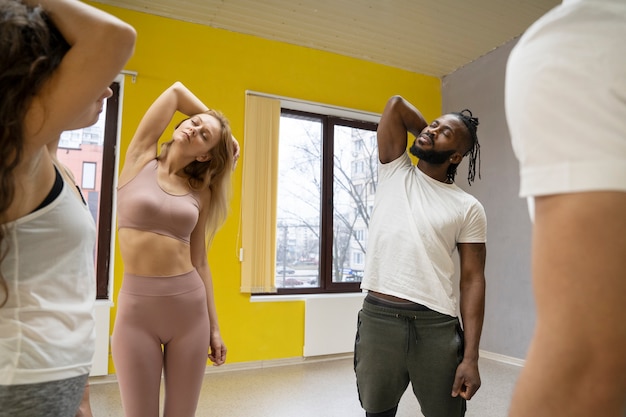
In addition to its individual benefits, dance can also play a powerful role in building community and connection. When we dance with others, we experience a sense of belonging and social bonding that can be hard to find in our increasingly isolated lives. As "dance has the power to bring people together and create a sense of community and connection," says Dr. Devereaux. This is especially true for people who may be struggling with social anxiety or feelings of loneliness. By joining a dance class or community, individuals can meet new people, develop social skills, and build meaningful relationships. For example, many dance studios offer classes specifically designed for people with disabilities or chronic illnesses, providing a safe and supportive environment for individuals to connect with others who share similar experiences.
Some of the ways that dance can build community and connection include:
- Providing a sense of belonging and social bonding
- Facilitating emotional expression and release
- Encouraging social interaction and communication
- Fostering empathy and understanding among participants
- Creating a sense of shared purpose and identity
Finding Creative Expression
As we explore the psychology of movement and its impact on our minds and bodies, it's interesting to consider how other forms of creative expression can also influence our emotional states. For instance, the thrill of uncertainty and the rush of adrenaline that comes with taking risks can be a powerful catalyst for personal growth. This is why many people find themselves drawn to activities that offer a mix of excitement and unpredictability, such as playing Captain Kraken Megaways slot (Pragmatic Play) which can provide a healthy distraction and a much-needed break from the stresses of everyday life. By embracing our creative sides and exploring new experiences, we can tap into a deeper sense of fulfillment and happiness, and discover new ways to express ourselves and connect with others on a meaningful level.
Conclusion
In conclusion, the psychology of movement is a powerful and fascinating field that highlights the transformative impact of dance on our minds, bodies, and souls. By incorporating dance into our lives, we can experience a range of benefits, from improved mental health and emotional well-being to increased social connection and community engagement. Whether you're a seasoned dancer or just starting out, there's never been a better time to get moving and experience the psychology of movement for yourself. So why not give it a try? Find a local dance studio, join a class, and discover the transformative power of dance for yourself. As Dr. Devereaux notes, "dance has the power to transform our lives, and it's never too late to start."